Near-bit dynamic recording
Directly captures acceleration, bit RPM and temperature where drilling dysfunction originates.
PDC bit designs built for vertical, directional, lateral and hard rock intervals, with application-specific cutter layouts, hydraulic packages and durability features.
Talk to an ExpertThis product line is positioned as part of Hybrit Energy’s integrated performance drilling workflow: pre-job engineering, field execution, real-time monitoring and post-run optimization.
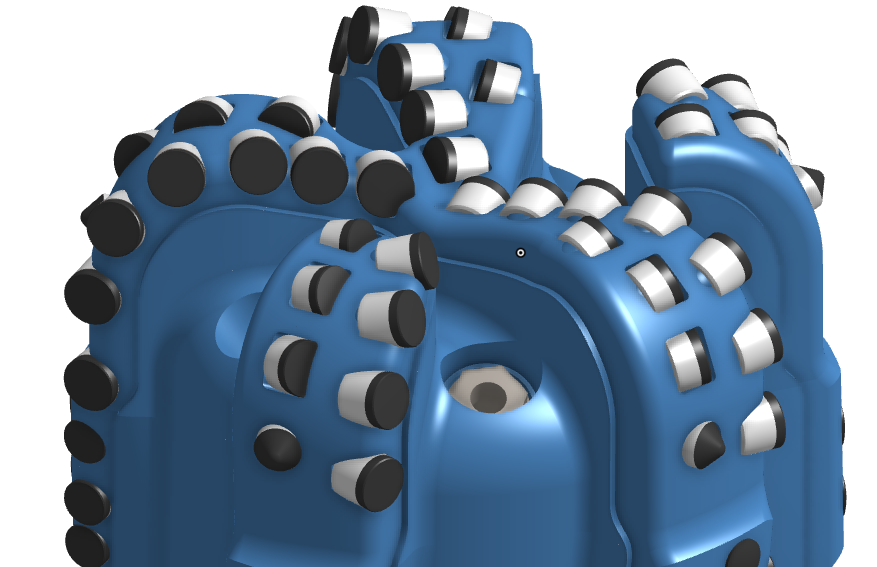
Hybrit’s PDC bit engineering workflow transforms formation drillability, offset performance, cutter loading and post-run evidence into application-specific bit features.
UCS, abrasion index, impact index and lithology profiles are used to define bit aggressiveness, cutter density, blade count, gauge protection and hydraulic features.
Single-cutter loading, work rate and imbalance force are quantified to refine cutter placement and cutting structure stability.
Dull grading, cutter wear and drilling dysfunction evidence are compared with design assumptions to update future bit features.
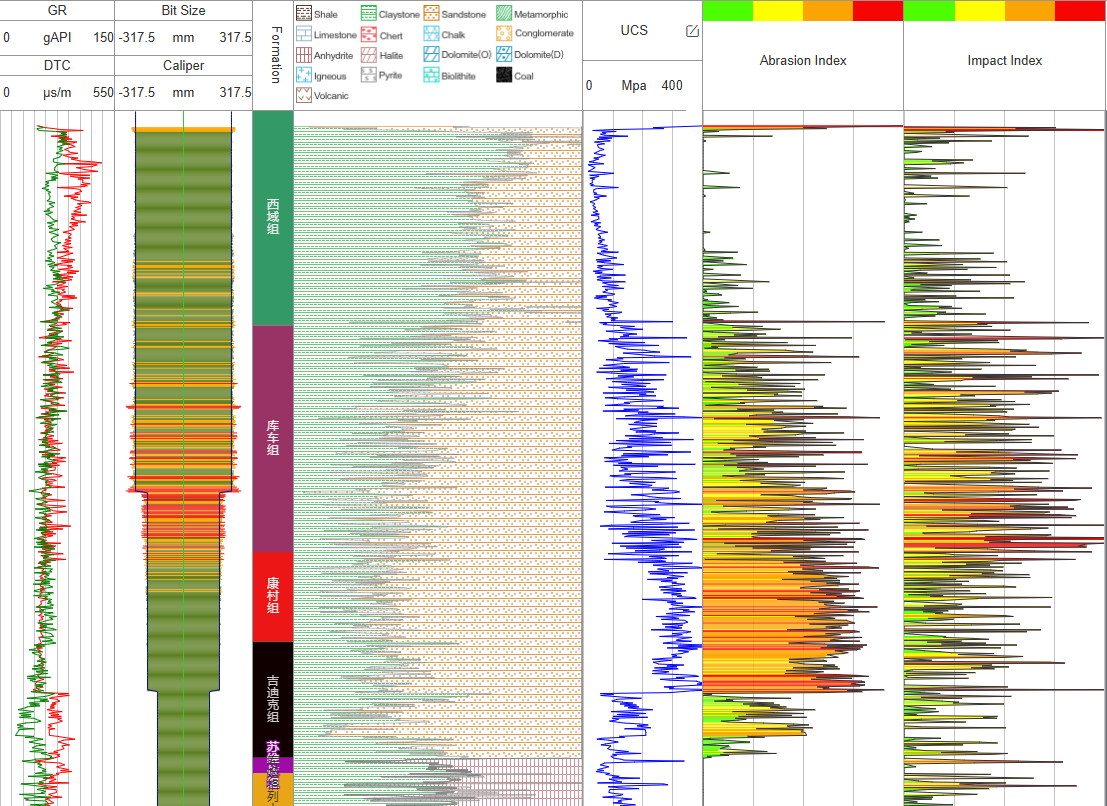
Formation drillability analysis transforms lithology, UCS, abrasion and impact profiles into a practical design basis for PDC bit features. This helps the design team select cutter layout, blade geometry, gauge length and hydraulic configuration before the bit is built.
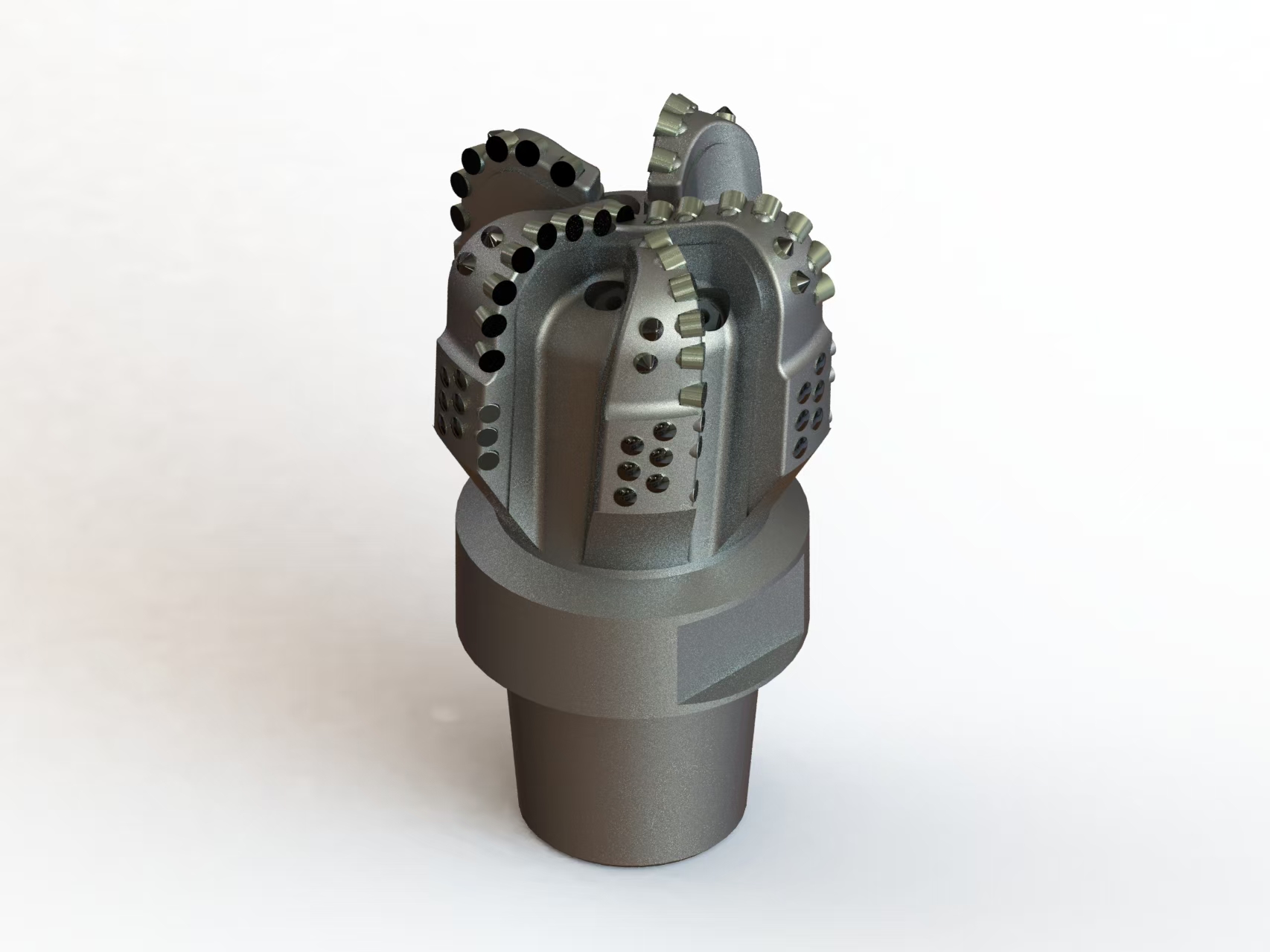
Designed for stability, precise directional control, reduced reactive torque and long lateral performance.
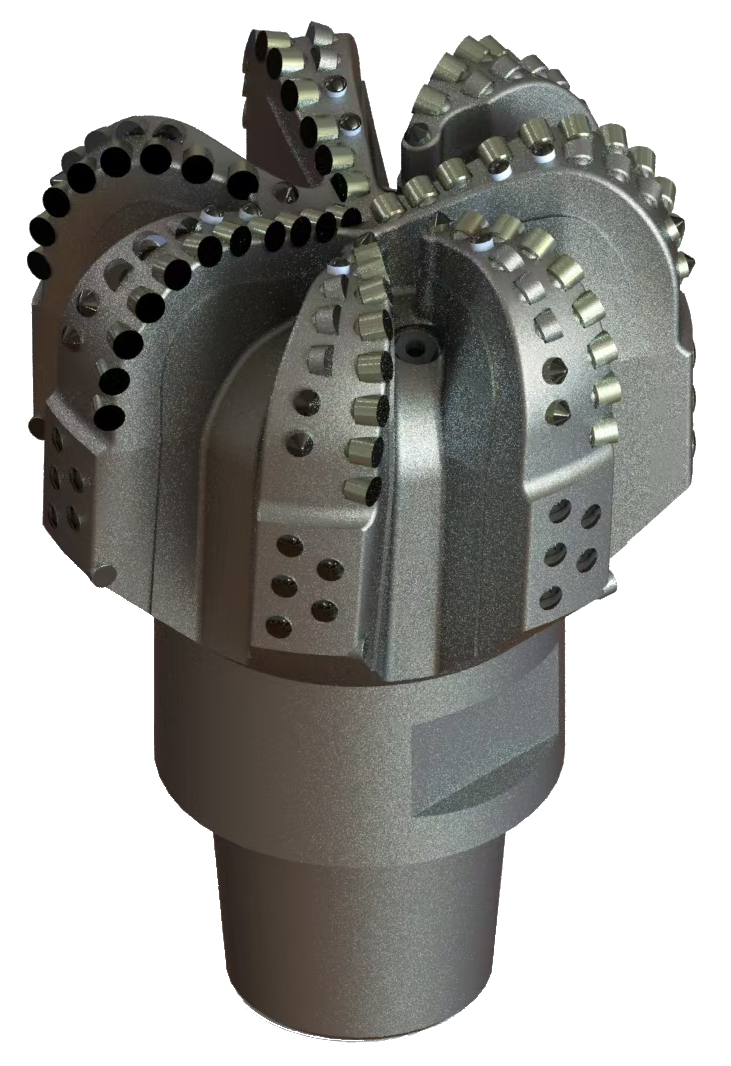
Built for abrasive and interbedded formations with enhanced wear resistance and durability.
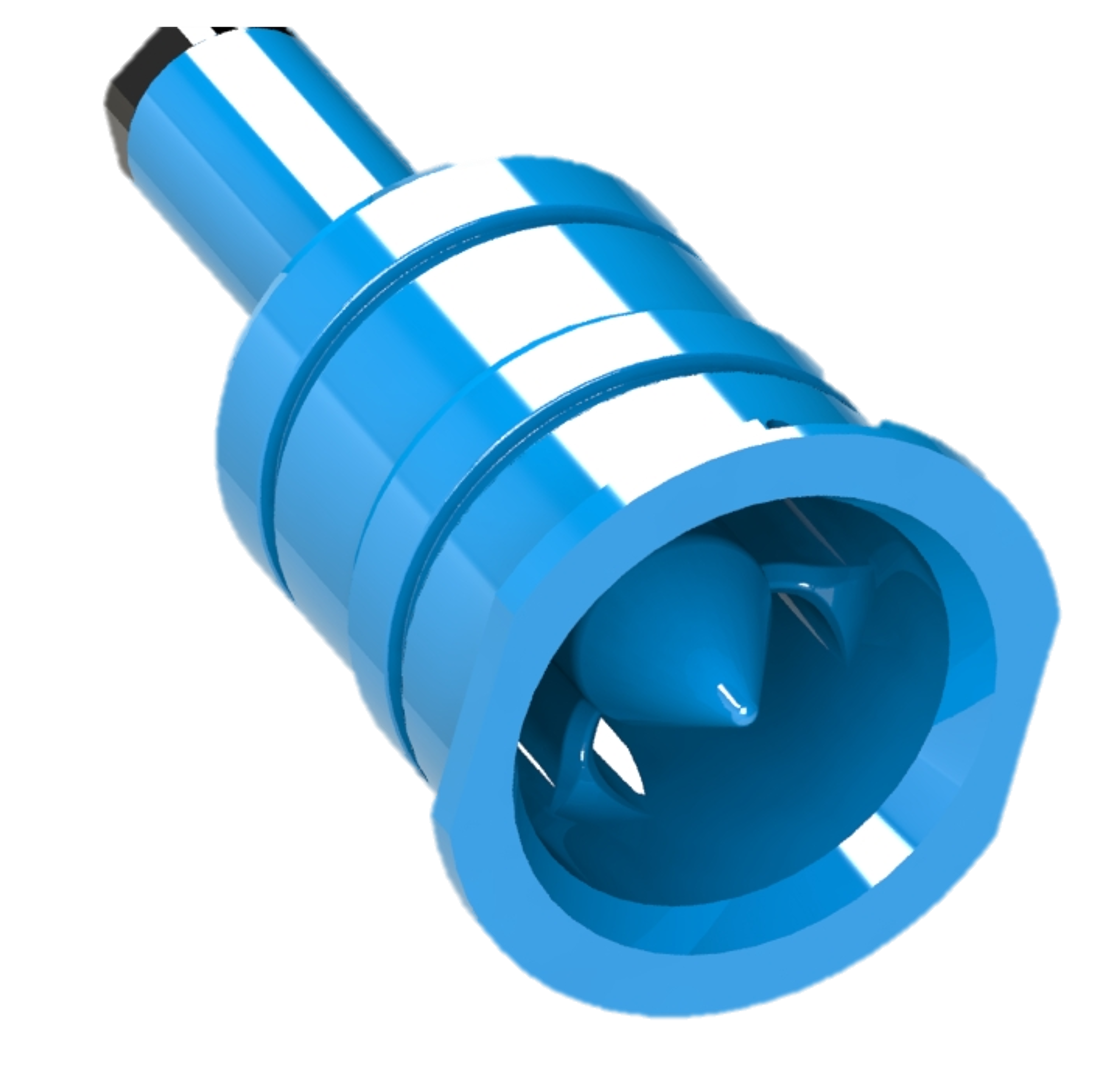
TINI-VIB™ high frequency dynamic sensor is an advanced technology within Hybrit’s PDC bit platform. Installed in the bit pin connection, it records bit dynamics throughout the entire bit run, capturing three-axis acceleration, bit RPM and temperature close to the bit.
By translating downhole vibration into engineering evidence, TINI-VIB supports dysfunction diagnosis, drilling parameter refinement and continuous optimization of cutter layout, gauge protection and bit feature design.
Directly captures acceleration, bit RPM and temperature where drilling dysfunction originates.
Supports continuous monitoring and high-frequency recording of critical transient vibration events.
Helps identify stick-slip, whirl, bit bounce and other drilling dysfunction patterns.
Feeds vibration evidence back into future bit design, operating guidelines and product iteration.
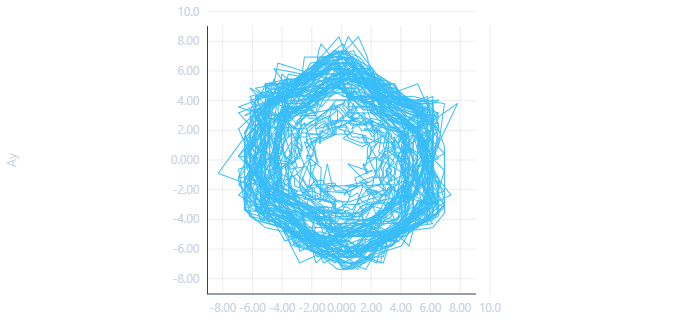
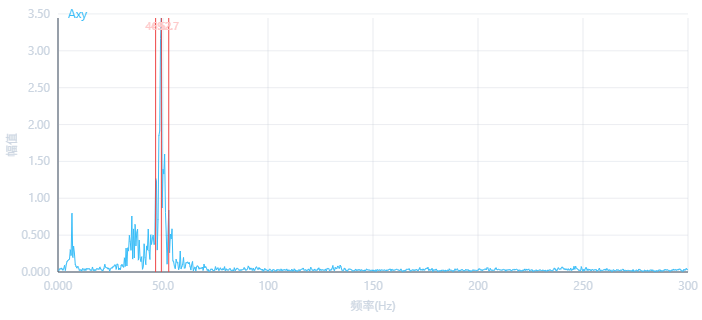
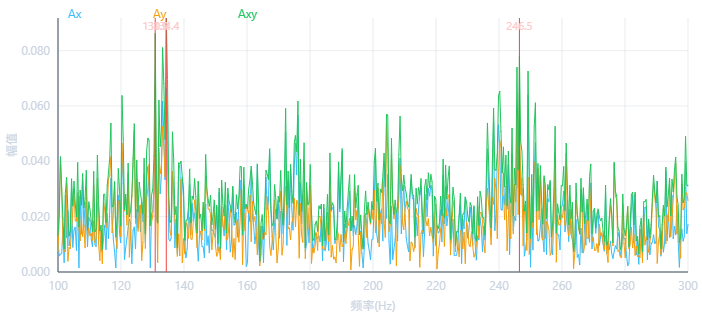
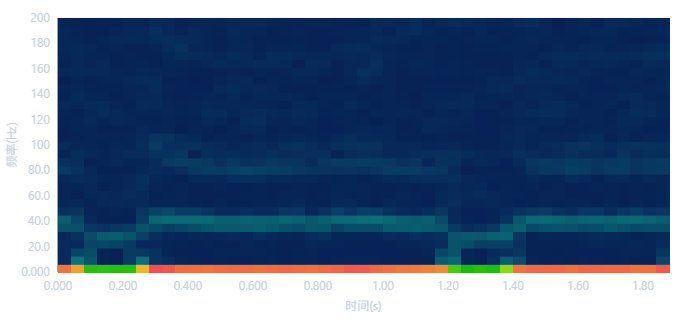
Run-based vibration logs reveal drilling state transitions, surface-to-downhole response and bit dynamics over time. These records support cutter damage analysis, dysfunction diagnosis and future bit feature optimization.
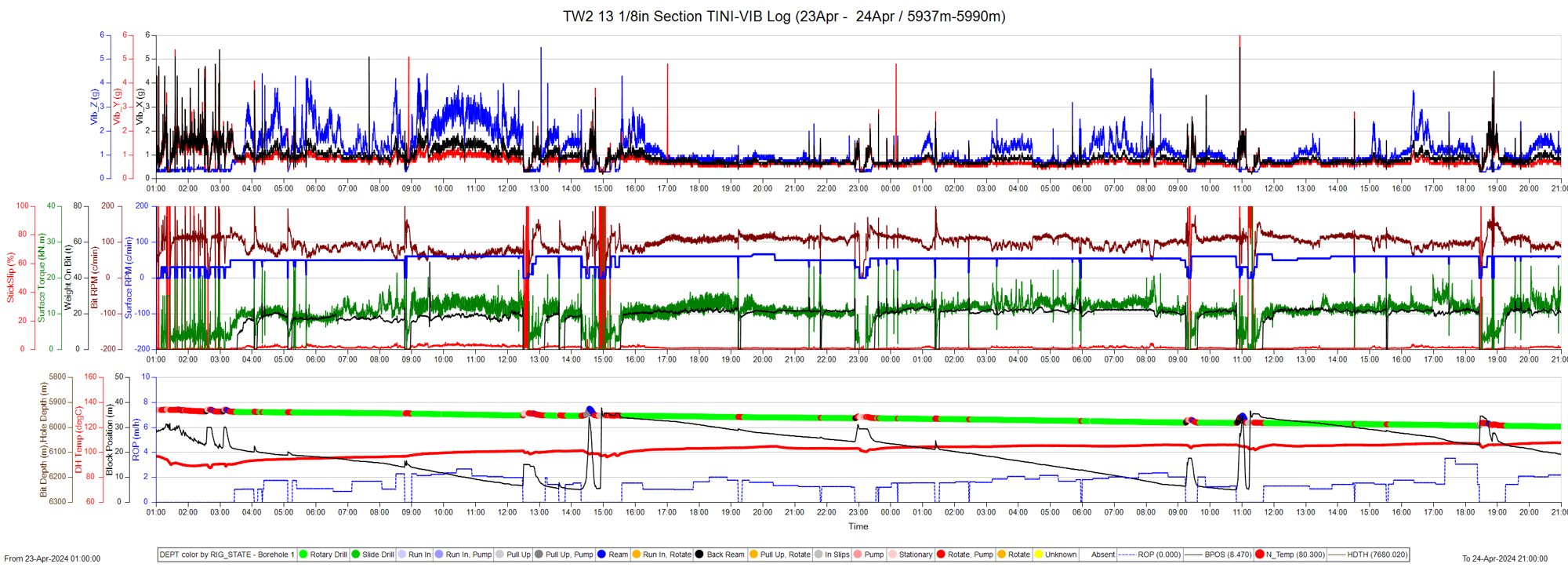
Selected analytics views from TINI-VIB.
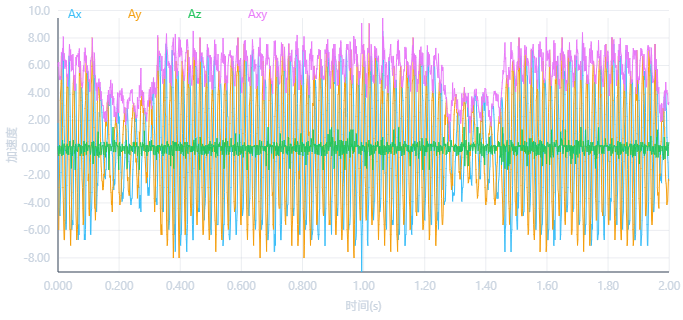
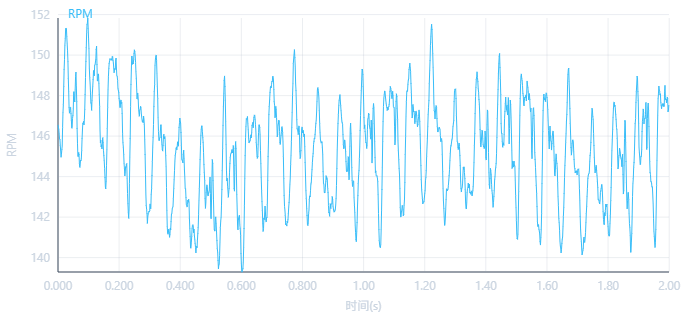
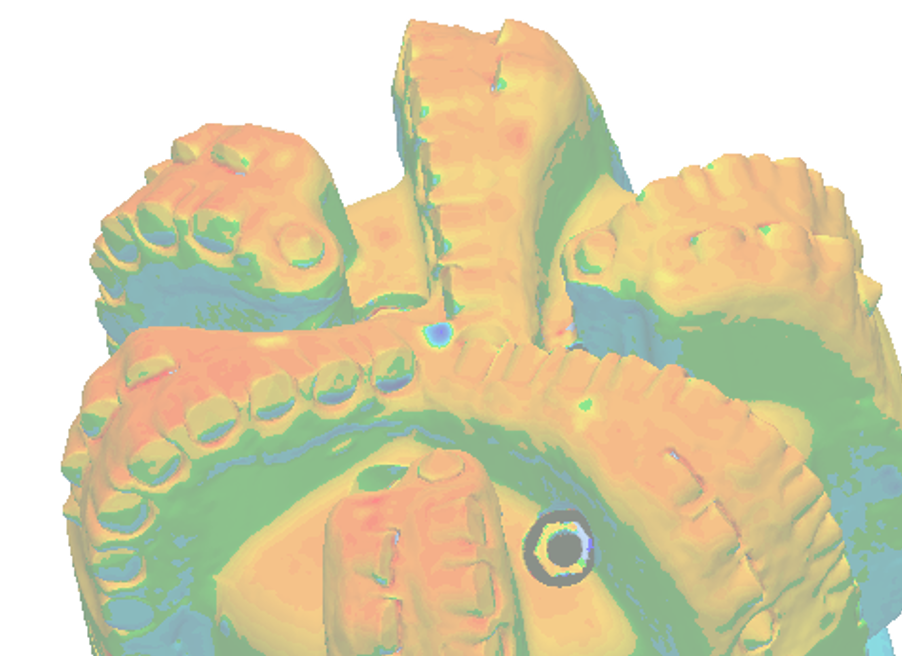
HAWKEYE™ is Hybrit Energy’s next-generation post-run PDC bit dull analysis technology. By combining software, workflow and digital measurement, it provides quantitative insight into cutter wear, cutter breakage and bit-body condition to support more accurate performance evaluation.
Its 360-degree scanning workflow captures full bit geometry and worn-cutter condition, while integrated comparison against design intent helps engineers connect wear patterns, loading distribution and operating history with failure mechanisms.
High-resolution measurement of worn cutters, broken cutters and bit-body damage for complete post-run evaluation.
Advanced algorithms quantify cutter degradation and distinguish abrasive wear, impact damage and thermal fatigue.
Cross-reference with bit design software to evaluate cutter work rate, loading distribution and wear trends.
Supports diagnosis of excessive WOB, torque fluctuation, formation-induced damage and BHA instability.
High torque mud motors with evenwall stator technology for performance drilling.
Explore →Material, geometry and performance-focused cutter technologies for different drilling challenges.
Explore →MXDRILL Drilling Optimization platform integrating AI, physics and real-time operations.
Explore →HYDROPULSE™ tools for extended reach drilling and high-friction horizontal sections.
Explore →TORQWAVE™ surface torque oscillation system designed to improve sliding efficiency and reduce stick-slip.
Explore →